3 Types of Caravan Battery Chargers Explained
Most Australian caravanners use a combination of all three charging methods. Here's what each does:
| Type | How It Works | Best For |
|---|---|---|
| 240V Mains Charger | Plugs into caravan park power. Fast, reliable charging from 10–40A | Caravan parks, home storage |
| DC-DC Charger | Charges aux battery from vehicle alternator while driving | Driving between sites |
| Solar MPPT | Converts roof solar panel output to battery charge | Free camping, off-grid |
Best Caravan Battery Chargers Australia 2026
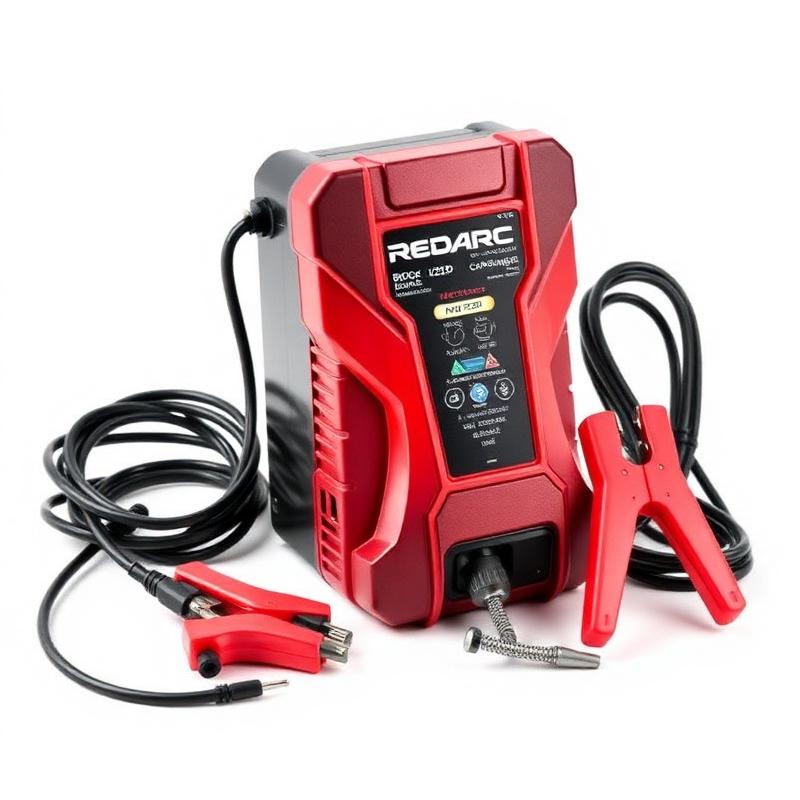
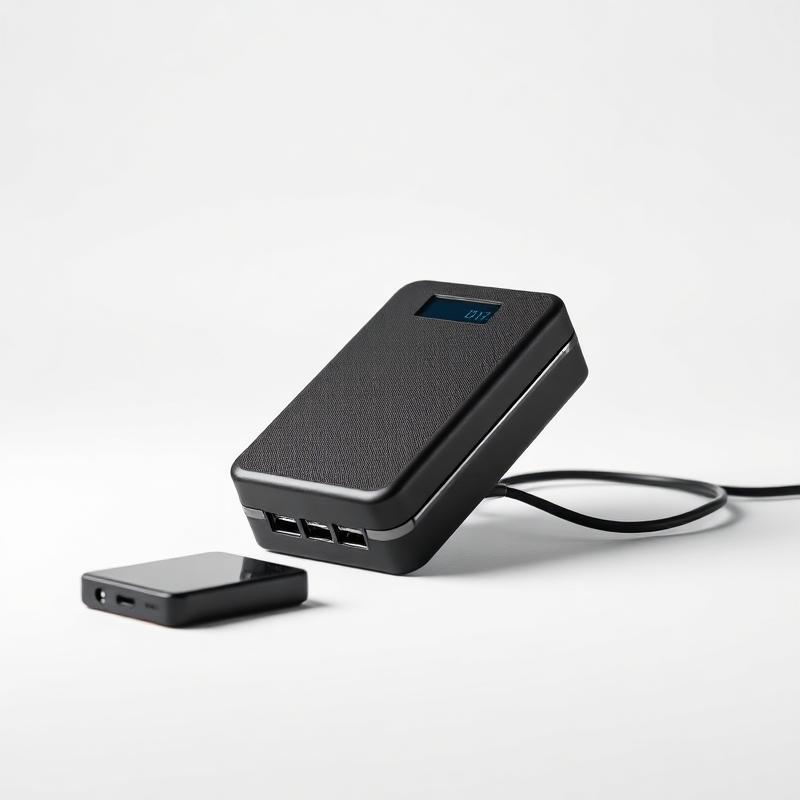
How to Choose the Right Caravan Charger
The right setup depends on how you travel:
- Mostly caravan parks? A 240V smart charger (Victron Blue Smart or NOCO GENIUS10) is all you need.
- Mix of parks and free camping? Add a DC-DC charger (REDARC BCDC1225D) to charge while driving between sites.
- Full off-grid? You need DC-DC + solar MPPT + adequate panel capacity. Budget $600–$1,000 for the complete system.
- Have a LiFePO4 battery? Make sure every charger in your system has a dedicated LiFePO4 profile — not just "lithium compatible".
📊 How Many Amps a Day Does a Caravan Actually Use?
Charger choice should follow your daily load, not the size of the battery you bought. Here is what typical van gear draws over 24 hours in an Australian summer:
| Load | Typical draw per day | Notes |
|---|---|---|
| Fridge (110–150L compressor) | 35 – 55Ah | Biggest single load; worse in hot weather or a badly vented cavity |
| LED lighting | 3 – 8Ah | Assumes evening use only |
| Water pump | 2 – 5Ah | Depends on shower habits |
| TV and stereo | 5 – 12Ah | Two to three hours a night |
| Phone, tablet and laptop charging | 3 – 10Ah | USB-C laptops are the hungry ones |
| Diesel heater (winter) | 8 – 20Ah | Glow plug startup plus fan run time |
| Realistic total | 55 – 110Ah | Plan for the top of that range, not the bottom |
If you use 80Ah a day and drive for three hours, a 30A DC-DC charger returns about 90Ah — enough. If you drive for one hour, it returns 30Ah and you are going backwards unless solar is doing the rest. That is the calculation that decides whether you need a bigger charger, more panel, or more battery.
💰 What a Complete Caravan Charging System Costs
Realistic 2026 Australian pricing, installed, for the three common ways people travel:
| How you travel | What you need | Typical cost |
|---|---|---|
| Caravan parks almost every night | 40A 240V smart charger with AGM and lithium profiles | $300 – $600 |
| Mix of parks and free camping | 240V charger plus a 25–30A DC-DC charger with solar input | $600 – $1,000 |
| Mostly off-grid | DC-DC charger, MPPT solar controller, 300–600W of panel, lithium bank | $2,000 – $4,000 |
The mistake people make is spending the whole budget on battery capacity and leaving nothing for charging. A 200Ah bank that never gets above 60 percent performs worse than a 100Ah bank that is properly charged every day.
🔋 Charging Lithium in a Caravan: What Actually Changes
A caravan is the hardest place in Australia to run lithium well, because the battery sits in a box that gets hot in the sun and cold overnight in the High Country.
Every charger needs the lithium profile, not just one. Your 240V charger, your DC-DC charger and your solar controller all have to know they are charging LiFePO4. One legacy AGM-only charger in the chain will hold the bank at a lower voltage and you will never see full capacity.
Temperature matters. Most LiFePO4 batteries refuse to charge below 0°C. If your van lives outside in winter, look for a battery with internal heating or mount the bank inside the van, not in an external box.
You can ignore the 50 percent rule. Lithium is happy to be run down to 10–20 percent, so a 100Ah lithium battery gives you roughly the usable capacity of a 180Ah AGM — that is usually where the price difference pays itself back.
Frequently Asked Questions
What is the best caravan battery charger in Australia?
For DC-DC (driving), the REDARC BCDC1225D. For 240V at caravan parks, the Victron Blue Smart IP65 25A.
Do I need a DC-DC charger if I have solar?
Both are recommended for off-grid travel. Solar works when stationary and sunny; DC-DC charges while driving. Together they give you reliable power in all conditions.
Can I use a regular battery charger in my caravan?
You can for occasional 240V top-ups, but a proper multi-stage smart charger designed for deep-cycle batteries is much better for your battery's long-term health. If you have a LiFePO4 battery, you must use a lithium-compatible charger.
We research and review charging products for Australian drivers, campers and EV owners. All recommendations are independent — we only earn when you click our affiliate links.